
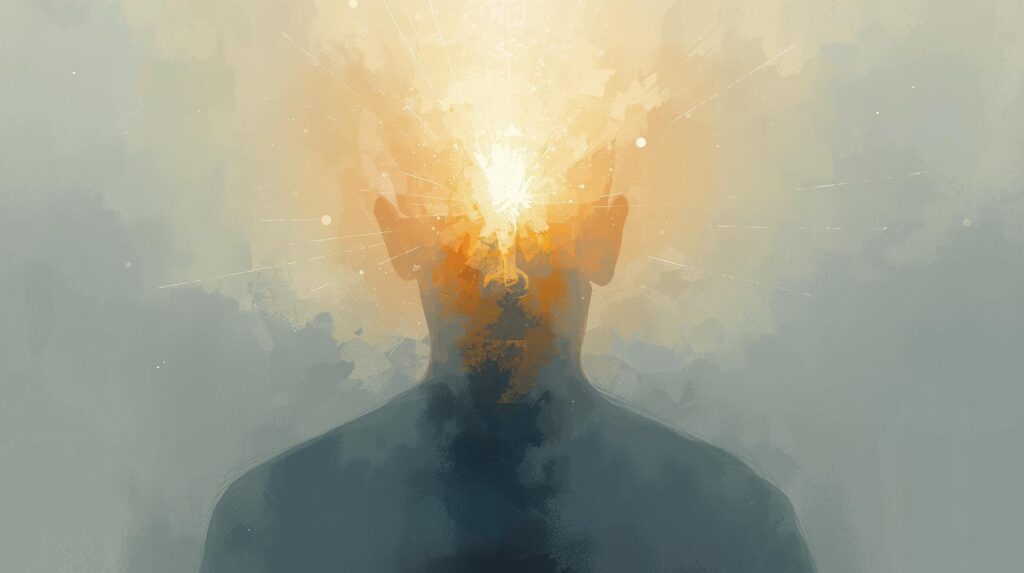
Emotional triggers aren’t random — they’re reminders.
A tone of voice, a gesture, a silence, a comment… suddenly your body reacts before your mind understands why.
You feel:
• defensive
• overwhelmed
• angry
• anxious
• numb
• rejected
• unsafe
This reaction is not immaturity.
It’s your nervous system protecting you based on past pain.
This therapist-approved guide breaks down why triggers happen and how to heal them step-by-step.
⭐ 1. What Emotional Triggers Really Are
A trigger is an emotional response activated by:
- past trauma
- childhood conditioning
- unmet needs
- memories your body still carries
Your brain stores emotional wounds as “danger signals.”
So when something feels similar to a past hurt, your system reacts to protect you — even if the threat isn’t real.
👉 Trigger = a wounded part of you asking for attention.
⭐ 2. Why Emotional Triggers Feel So Intense
Neuroscience shows that triggers activate:
- The amygdala → fear response
- The vagus nerve → physical tension
- The prefrontal cortex shutdown → clear thinking disappears
- Fight, flight, or freeze mode
This is why small things feel “big.”
Your brain is reliving an old emotional injury.
⭐ 3. The Most Common Sources of Triggers
1️⃣ Childhood emotional neglect
Not feeling seen or valued creates hypersensitivity to rejection or criticism.
2️⃣ Past relationship wounds
Betrayal, abandonment, manipulation, or invalidation leave emotional “bruises.”
3️⃣ Unprocessed trauma
The body keeps score — trauma stores itself in the nervous system.
4️⃣ Attachment style
Avoidant → triggered by closeness
Anxious → triggered by distance
Disorganized → triggered by both
5️⃣ Low self-worth
Criticism hits harder when your identity is fragile.
⭐ 4. How to Heal Emotional Triggers (Therapist-Approved)
✔ Step 1 — Pause Before Reacting
A trigger wants a reaction.
Healing begins when you create space between the feeling and the action.
Try silently saying:
👉 “This is a trigger. I’m safe.”
This stops the emotional spiral before it grows.
✔ Step 2 — Regulate Your Body First
You cannot think clearly when your nervous system is activated.
Use:
- long exhale breathing
- grounding (feet on floor)
- relaxing your shoulders
- a slow 10-minute walk
Calm body → calm mind.
✔ Step 3 — Identify the Root Wound
Ask yourself:
- What does this remind me of?
- When have I felt this way before?
- What fear is underneath this?
Often, the trigger isn’t about the present situation but an old wound resurfacing.
✔ Step 4 — Reparent the Triggered Part of You
This is inner healing.
Say:
- “You’re safe.”
- “I’m here.”
- “Your feelings matter.”
- “We’re not in danger anymore.”
This builds emotional security from within.
✔ Step 5 — Communicate the Trigger Safely
Instead of reacting intensely, use calm language:
💬 “When X happens, it makes me feel Y because of Z.
I need A in moments like this.”
This turns conflict into connection.
✔ Step 6 — Create New Emotional Patterns
Healing requires repetition.
Try:
- therapy
- journaling
- somatic practices
- setting boundaries
- slowing down reactions
- choosing safe people
You’re not erasing the past — you’re teaching your system a new story.
⭐ 5. What Healing Actually Feels Like
Gradually, you’ll notice:
✨ Less reactivity
✨ More emotional stability
✨ Clarity instead of chaos
✨ Calmer relationships
✨ Confidence in yourself
✨ A sense of safety inside you
Healing triggers is healing your past so it no longer controls your present.